


August 23, 2026


7 Junvon Close, Ogbaku Imo State
 By Staff
 No Comments
  2 minutes
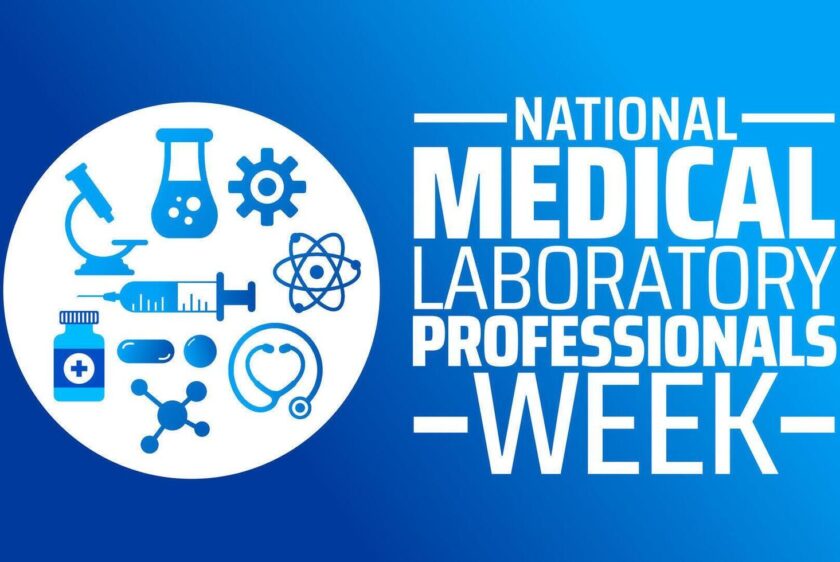
 Medical Laboratory Professionals Week 2026, centered on the theme “The Lab Story,” highlights the critical but often unseen role of laboratory science in patient care. Each diagnostic result represents more than a discrete data point; it is part of a broader narrative that begins with specimen collection and extends through analysis, interpretation, and clinical decision-making. This year’s theme emphasizes that every result contributes to an individual patient’s story.
Clinical laboratories integrate multiple scientific disciplines, including hematology, clinical chemistry, microbiology, immunology, and molecular diagnostics. The production of a single result involves a sequence of controlled processes—pre-analytical, analytical, and post-analytical phases—each governed by stringent quality standards. Maintaining accuracy and precision across these phases is essential, as variability at any step can directly influence clinical outcomes.
Laboratory professionals are responsible for ensuring the reliability of this process. Medical laboratory scientists and technicians perform and oversee method validation, quality control procedures, instrument calibration, and troubleshooting. These activities are necessary to maintain analytical performance within established parameters. In collaboration with pathologists and clinicians, laboratory data are contextualized to support appropriate diagnosis and patient management.
Advancements in laboratory medicine continue to expand the scope and resolution of diagnostic testing. Automation has improved efficiency and reduced variability, while artificial intelligence is increasingly incorporated into data analysis and workflow optimization. Molecular techniques, such as polymerase chain reaction (PCR) and next-generation sequencing (NGS), enable detailed characterization of disease at the genetic and molecular levels. Despite these technological capabilities, expert evaluation remains essential to ensure that results are interpreted accurately and applied appropriately.
The theme “The Lab Story” also reflects the cumulative expertise required to sustain laboratory operations. Workforce competency, ongoing education, and adherence to regulatory and accreditation standards are fundamental to maintaining high-quality laboratory services. As diagnostic complexity increases, so does the need for skilled professionals capable of managing advanced methodologies and ensuring data integrity.
Recognizing Lab Week 2026 is therefore an acknowledgment of both the scientific framework and the human expertise that contribute to laboratory medicine. Each test result is not an isolated figure but part of a larger clinical narrative that informs patient care.
In this context, the laboratory does more than generate data—it helps define the story of diagnosis, treatment, and clinical outcomes.