


August 23, 2026



7 Junvon Close, Ogbaku Imo State

 By Staff
 No Comments
  2 minutes
 Meningitis has returned to the spotlight in 2026, with several lab-confirmed outbreaks raising concern among health officials and researchers. While the disease itself is not new, recent developments highlight how quickly it can spread—and how critical early detection and vaccination remain.
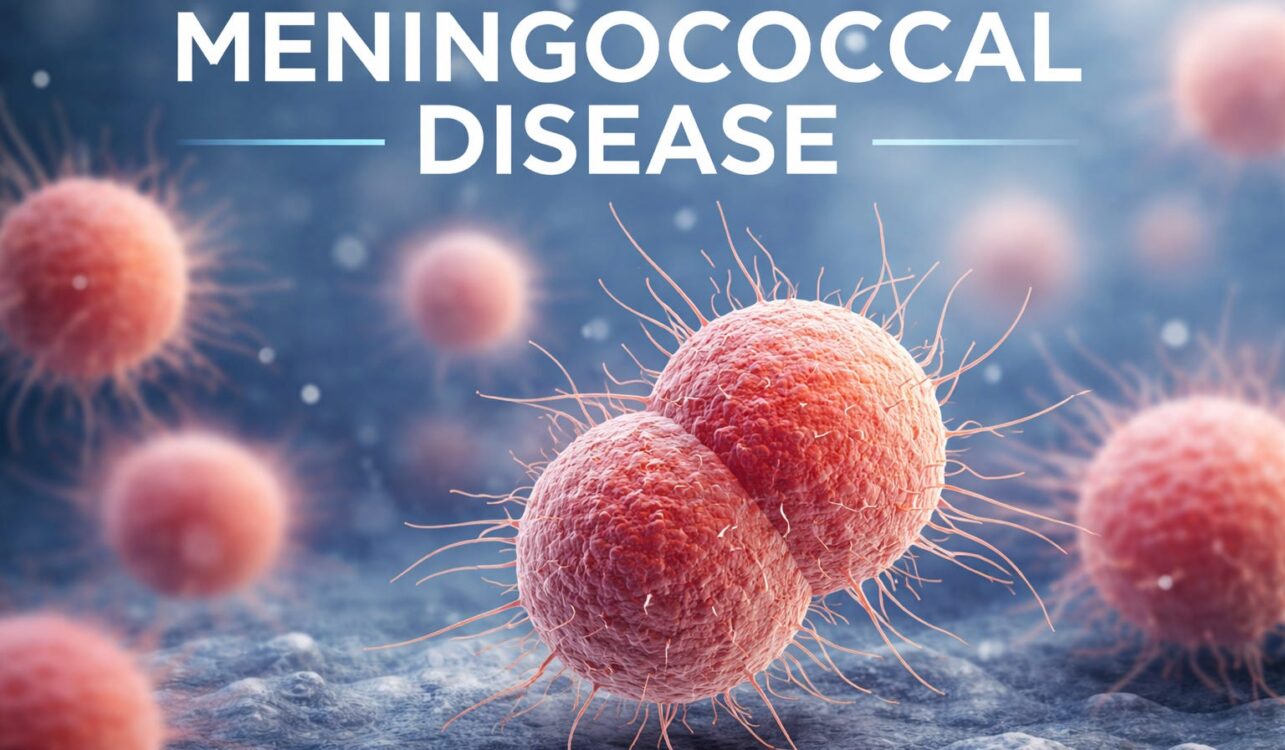
At the center of current attention is a cluster of meningitis B cases identified through laboratory testing. Scientists have confirmed that the infections are caused by Neisseria meningitidis, a bacterium known for triggering severe inflammation of the brain and spinal cord. What makes this situation particularly notable is how lab analysis has linked multiple cases to a common strain, helping epidemiologists trace patterns of transmission and identify high-risk environments.
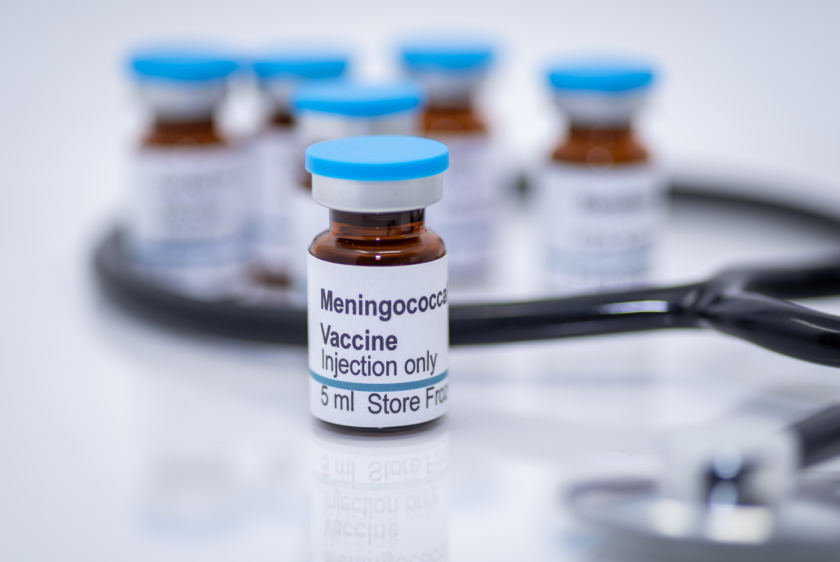
One key takeaway from recent lab reports is that the strain involved appears to be covered by existing vaccines. This is encouraging news, suggesting that available immunizations can still play a strong role in preventing severe illness. However, declining vaccination rates in some populations have created gaps in protection—allowing outbreaks to occur more easily, especially in close-contact settings like schools, dormitories, and social venues.
Laboratories are also playing a crucial role in understanding how meningitis spreads. By using advanced tools such as PCR testing and genetic sequencing, researchers can quickly confirm diagnoses and determine whether cases are connected. This rapid identification allows public health teams to respond faster with targeted interventions, including contact tracing and preventive antibiotics for those exposed.
Despite these advances, meningitis remains a medical emergency. Symptoms can escalate rapidly, often starting with fever, headache, and neck stiffness before progressing to confusion or sensitivity to light. In bacterial cases, the condition can become life-threatening within hours, making early diagnosis and treatment essential.
The broader lesson from current lab findings is clear: vigilance matters. Strong surveillance systems, timely lab testing, and widespread vaccination are the most effective tools for keeping meningitis under control. As researchers continue to monitor emerging cases, public awareness and preventive action will be just as important as scientific progress.
In a world still adjusting to post-pandemic health challenges, meningitis serves as a reminder that infectious diseases can re-emerge quickly. Staying informed—and protected—remains our best defense.