


January 29, 2026



7 Junvon Close, Ogbaku Imo State

 By Staff
 No Comments
  3 minutes
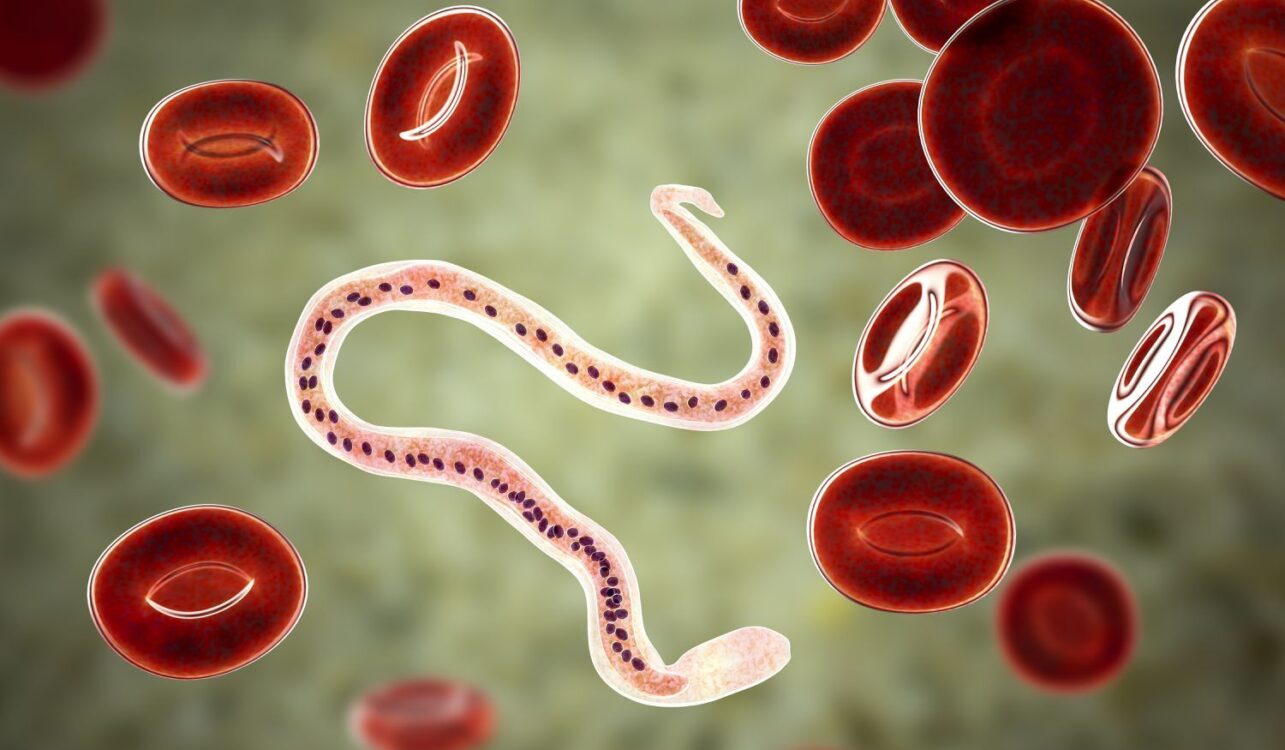
 Lymphatic filariasis, commonly known as elephantiasis, is a parasitic disease caused by filarial worms that leads to severe swelling of the limbs and genitals due to blockage of the lymphatic system.
Lymphatic filariasis is caused by infection with filarial nematode worms, primarily Wuchereria bancrofti, Brugia malayi, and Brugia timori. These parasites are transmitted to humans through mosquito bites, particularly from species such as Culex, Anopheles, and Aedes. The larvae enter the bloodstream and migrate to the lymphatic vessels, where they mature into adult worms and disrupt normal lymphatic drainage.
The infection often has an initial asymptomatic phase or mild symptoms, which can include fever, skin inflammation, and lymphangitis. Chronic infection leads to lymphatic dysfunction, causing:
“Repeated bouts of inflammation and secondary bacterial infections contribute to permanent tissue damage and social stigma.”
Diagnosis is based on:
Lymphatic filariasis affects tens of millions of people worldwide, mainly in tropical and subtropical regions of Africa, Southeast Asia, India, the Pacific islands, and parts of the Caribbean. Chronic complications result in disability, reduced productivity, and social stigma, making the disease a significant public health challenge.
In summary, lymphatic filariasis is a preventable parasitic disease, and efforts combining mass medication programs, mosquito control, and proper management of chronic symptoms can significantly reduce its impact and improve the quality of life of affected individuals.