

April 5, 2026



7 Junvon Close, Ogbaku Imo State
 By Staff
 No Comments
  3 minutes
 Blood pressure is one of the most important indicators of your overall health, yet many people don’t fully understand what it is or why it deserves attention. Often called the “silent killer” when it becomes too high, blood pressure can quietly affect your body for years before symptoms appear. Learning what it means—and how to manage it—can significantly reduce your risk of serious health problems.
Blood pressure is the force of blood pushing against the walls of your arteries as your heart pumps. It’s measured using two numbers:
A typical reading is written like this: 120/80 mmHg (millimeters of mercury), which is considered normal for most adults.
Your circulatory system is responsible for delivering oxygen and nutrients throughout your body. When blood pressure is too high or too low, this system doesn’t function properly.
High blood pressure (hypertension) can damage your arteries over time, making them less flexible. This increases your risk of:
What makes high blood pressure especially dangerous is that it often has no noticeable symptoms. Many people feel completely fine until serious complications occur.
Low blood pressure (hypotension), while less common, can also be problematic. It may cause dizziness, fainting, and in severe cases, shock.
There isn’t always a single cause, but several factors can increase your risk:
Often, it’s a combination of these factors rather than just one.
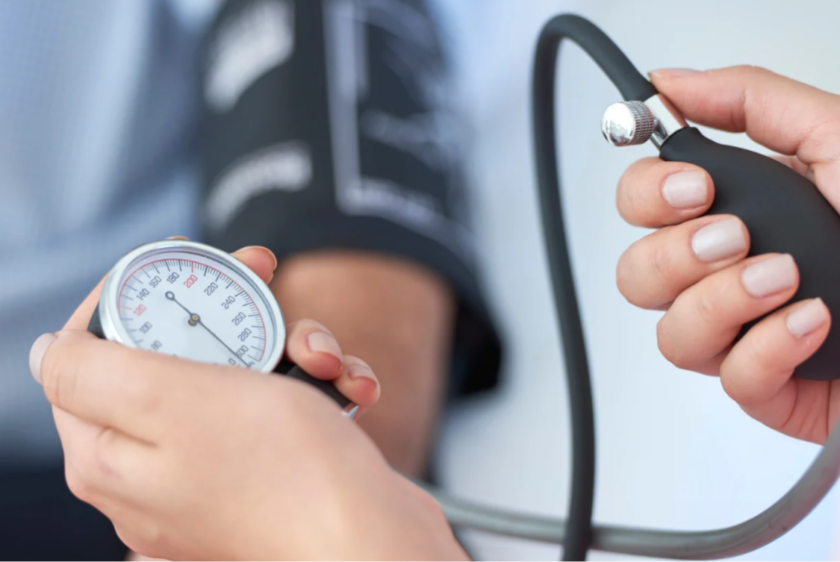
The good news is that blood pressure is largely manageable through lifestyle choices. Small, consistent changes can make a big difference.
1. Eat a balanced diet
Focus on fruits, vegetables, whole grains, lean proteins, and low-fat dairy. Reducing sodium intake is especially important.
2. Stay physically active
Regular exercise—like walking, cycling, or swimming—helps strengthen your heart and improve circulation.
3. Manage stress
Chronic stress can contribute to high blood pressure. Techniques like deep breathing, meditation, and regular relaxation can help.
4. Maintain a healthy weight
Even modest weight loss can lower blood pressure if you are overweight.
5. Avoid tobacco and limit alcohol
Both can raise blood pressure and damage your cardiovascular system over time.
6. Monitor your numbers
Regular check-ups or home monitoring can help you catch changes early and take action.
You should check your blood pressure regularly, especially if you have risk factors. Seek medical advice if:
Early detection and treatment can prevent long-term complications.
Understanding blood pressure is a crucial step toward protecting your health. While it may seem like just a pair of numbers, those numbers reflect how hard your heart is working and how healthy your arteries are. By paying attention to your blood pressure and making informed lifestyle choices, you can reduce your risk of serious disease and improve your overall well-being.